


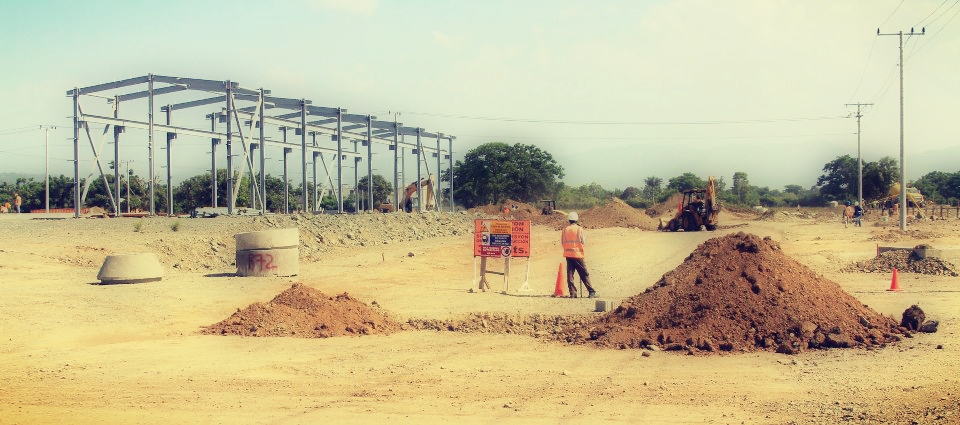
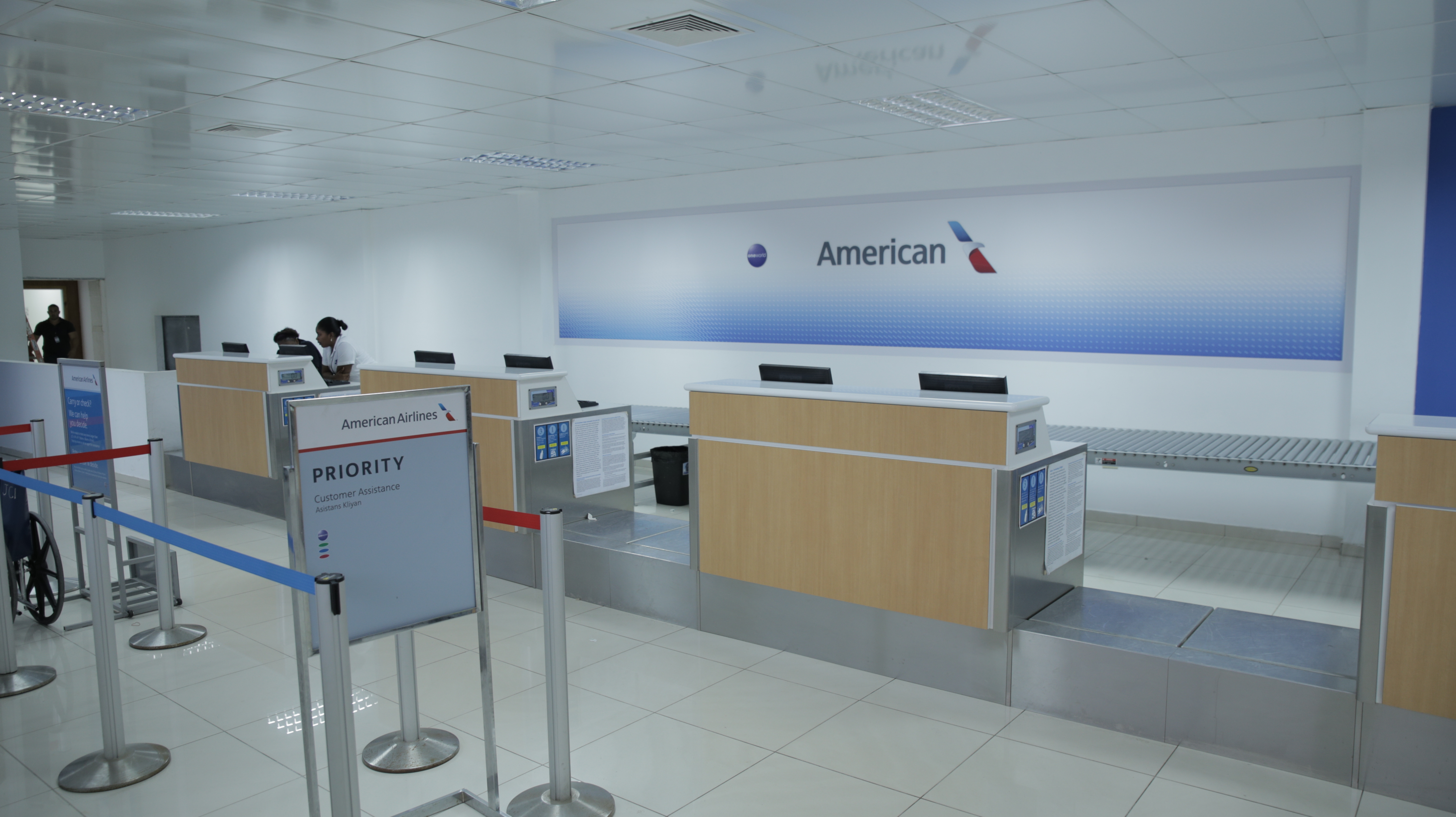
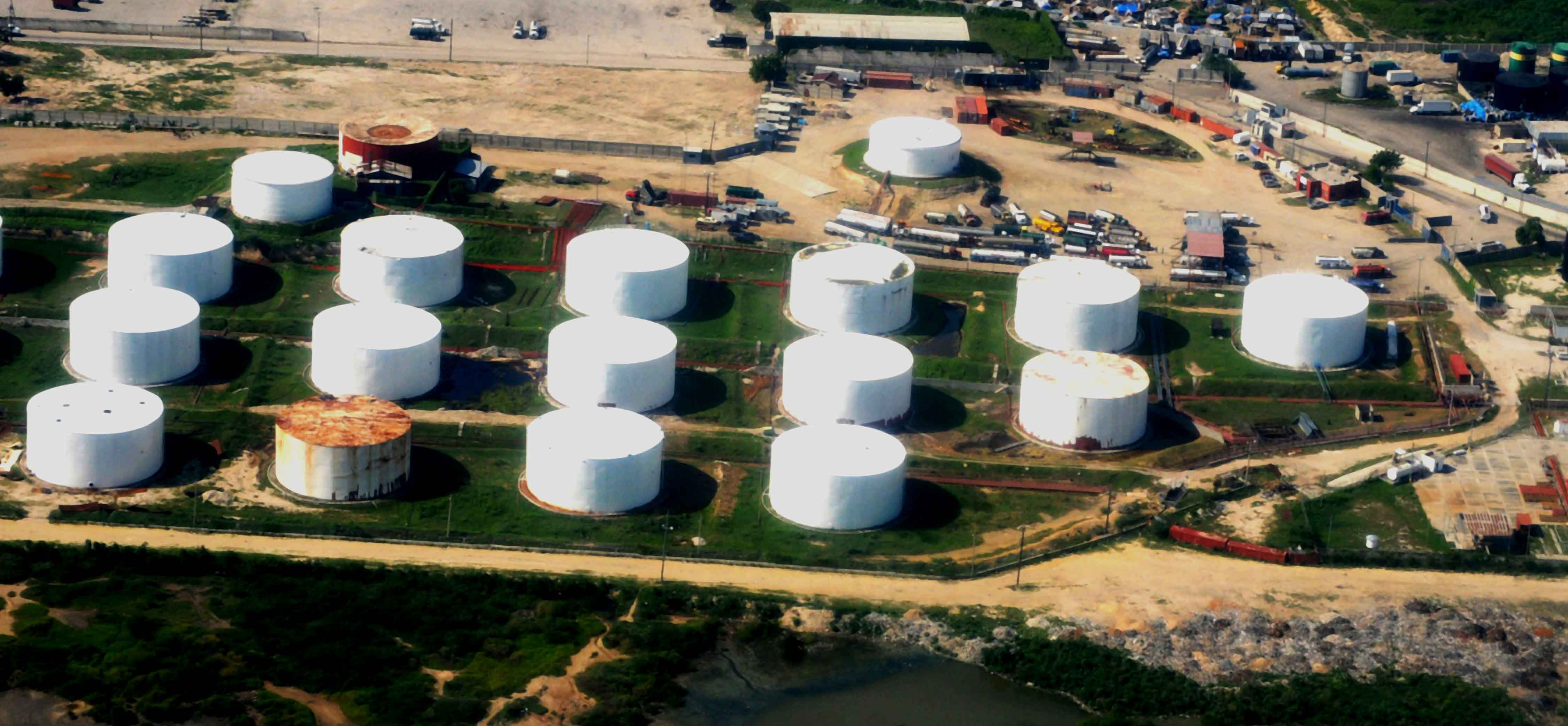
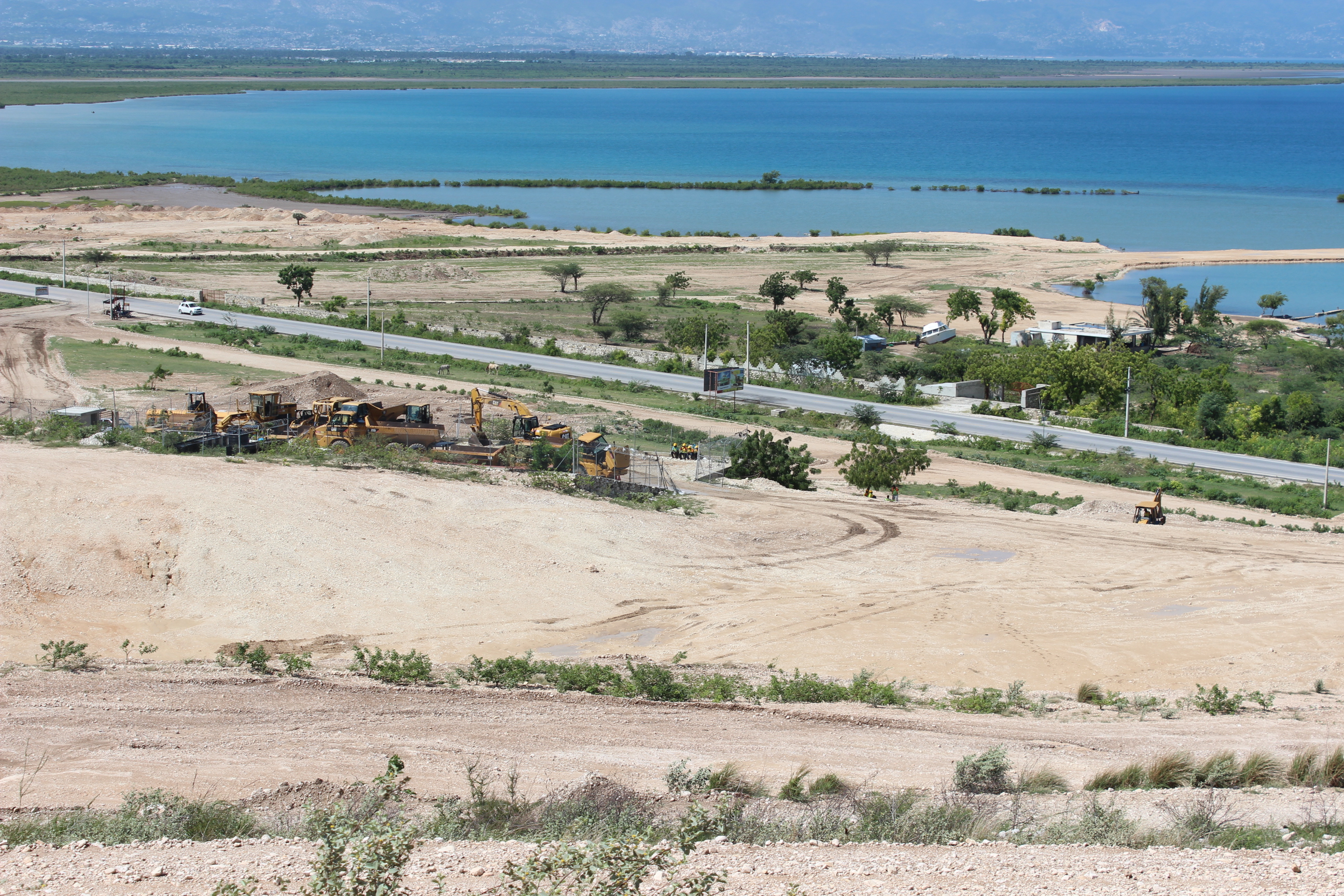
A significant infrastructure investment program, financed by national and international resources, is underway to improve Haiti’s connectivity, both internally and externally.
Roads
Ground transport is the main internal mode of transportation for passengers and goods as well as for trade with the Dominican Republic
- National road network: 3,875 km, including
- 956 km of primary or trunk roads linking major cities (Routes Nationales (National Routes- RN)
- 1,615 km of departmental or secondary roads
- 1,343 km of tertiary or rural roads
- More than 700 km of roads have been constructed and renovated since 2011
- One of Haiti’s main integration corridors is the Route Nationale 1 (RN1), extending from the country’s capital Port-au-Prince to the second largest city, Cap-Haitien, in the North. The corridor plays a very important role in international trade facilitation and regional integration as it connects the two most important seaports and airport with the major cities and productive regions of the country
- Significant emphasis has been made on strengthening the road maintenance capacity of the Ministry of Public Works, Transport, Energy, and Communications
Airports
Haiti has two main international airports:
Toussaint Louverture International Airport (IATA: PAP, ICAO: MTPP) in Port-au-Prince, has direct international flights to:
- U.S. cities (Miami, Fort Lauderdale, New York, Atlanta and Orlando)
- Canada (Montreal, Toronto and others)
- Panama City
- Santo Domingo, Dominican Republic
- Havana, Cuba
- Paris via the Dominican Republic and Guadeloupe
- Extensive network of flights to other cities in Latin America and the Caribbean
Hugo-Chavez International Airport located in Cap-Haïtien in the north (Nord) department (IATA: CAP, ICAO:MTCH) supports domestic as well as international air travel, although international air travel operates on a significantly smaller scale. Direct international flights include Miami and Ft. Lauderdale.
Air cargo is primarily transported through Toussaint Louverture International Airport. The air cargo facilities are stationed to the west of the international terminal. Service carriers such as FedEx, DHL, UPS and Amerijet (for large volume cargo) control the greatest market share with additional firms attempting to gain entry
Seaports
Haiti’s main international seaports are located in Port-au-Prince and Cap-Haïtien
- Port-au-Prince (UN/LOCODE: HTPAP): the primary port for container traffic and general fractioned freight, with specialized docks and warehouses
- Moves nearly one million tons of freight annually
- US$ 69 million renovation of one of the main docks, including a new 410m wharf
- Cap-Haïtien (UN/LOCODE: HTCAP): currently being upgraded to serve increasing demand primarily from the manufacturing facilities located at the Caracol Industrial Park
- Undergoing international tender for a Public Private Partnership to manage the seaport
- Newest addition to Haiti’s port facilities: privately-owned Port Lafito, a subsidiary of GB Group and managed by SSA Marine
- Greenfield multipurpose panamax port and terminal handling containerized and loose-bulk cargo
Major shipping companies such as Maersk Sealand, Crowley, Seaboard Marine, Antillean Marine, and Evergreen already serve Haiti.
Electricity
There is a huge need for both public and private sector investment in Haiti’s electricity sector, particularly in renewable energy.
- Insufficient installed capacity of just 320 MW with only 60% of that electricity stable - 70% comes from fossil fuels and 30% from hydro-electric sources.
- There are three large thermal plants and one hydro electrical plan servicing the metropolitan area and other smaller provinces.
- Current electricity demand in Haiti is estimated to be around 500 MW throughout the country
- There is no national grid, with electricity being provided by both the national electricity company (Electricité d’Haïti (Haiti Electricity) - EDH) and private producers on nine local grids around the country
- Three Independent Power Producers which together generate 82 MW.
- The Caracol Industrial Park generates its own electricity on-site, while each of the free trade zones also has the option to self-generate
- Haiti has a considerable solar, wind and biomass power potential
- Haiti’s solar potential is particularly strong due to consistent sunlight most of the year
- Several locations, including Lac Azuéi to the east of Port-au-Prince, are particularly suited to wind energy projects