



Haiti’s agricultural sector has a very high production potential, yet only 45% of the country’s agro supplies are produced in the country. Import substitution represents a strong opportunity for growth, with a population of 11 million consumers to satisfy. The chart below presents Haiti’s largest current agricultural imports. As Haiti’s economy continues to grow, so will internal demand, providing excellent expanding domestic market opportunities for investors.
Numerous emerging export sectors
- Geo Weiner S.A. (Selecto) expanding coffee exports to Walmart and Starbucks.
- Haiti supplies 50% of world exports of vetiver essential oil for the perfume industry.
- Significant further opportunity for growth in: cocoa, dried orange peels (Grand Marnier), organic vegetables, avocados, mangoes, sisal, cashews, scotch bonnet peppers.
Competitive labor force and abundant natural resources
- A growing, young, and committed workforce with competitive costs.
- 10,000 hectares of productive land available.
- Micro-climates that offer year-round possibilities for production of a wide range of products.
- Large quantities of land un-spoilt by chemicals, perfect for organic production.
Excellent geostrategic position
- Shipping time is up to 3 days to the U.S. and Latin America and up to 10 days to Western European ports.
- Proximity opens doors for delivery of fresh organic produce to the U.S.
- Exceptional access to markets through some of the most favorable trade preferences worldwide including Europe, the U.S. and the Caribbean.
Investor-friendly climate
- High-quality governmental support through the CFI and the Ministry of Agriculture’s technical support and investment promotion unit.
- Among the world’s most favorable incentives, with up to 15 years of corporate tax exemption.
- Access to credit from local banks, investment funds and international institutions.
-
add_circleCoffee
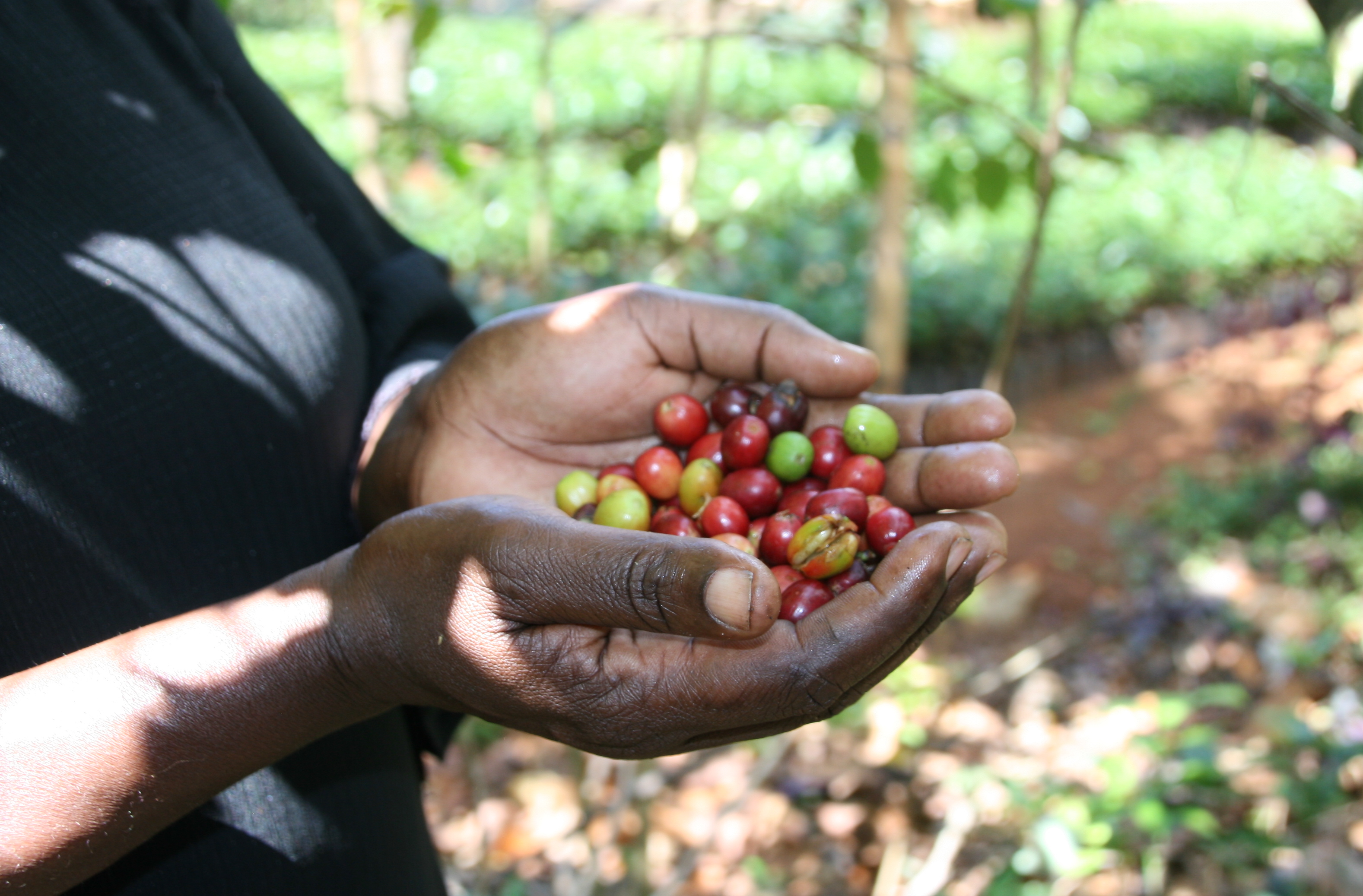
- Haiti has a 200-year tradition of growing mainly Arabica coffee under agro-ecological conditions well suited for producing quality organic coffee
- Increases in production underway both to serve the domestic market – which currently absorbs 65% of the country’s production – and to increase exports
- Major coffee exporting firms: REBO and Geo Wiener.
- Other smaller enterprises are also getting Haitian coffee into new markets, including Walmart and Starbucks two major U.S. retailers
-
add_circleMangos
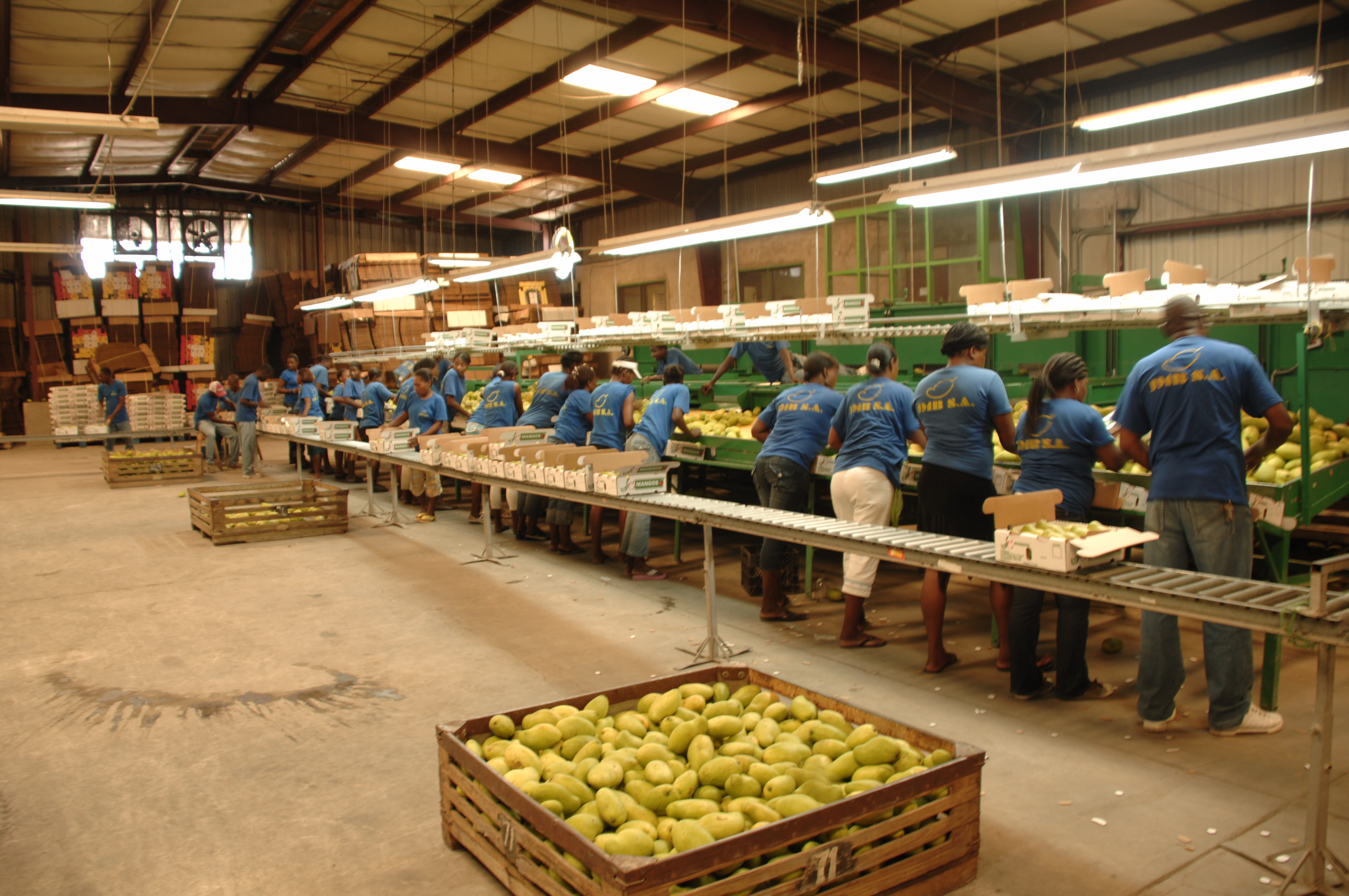
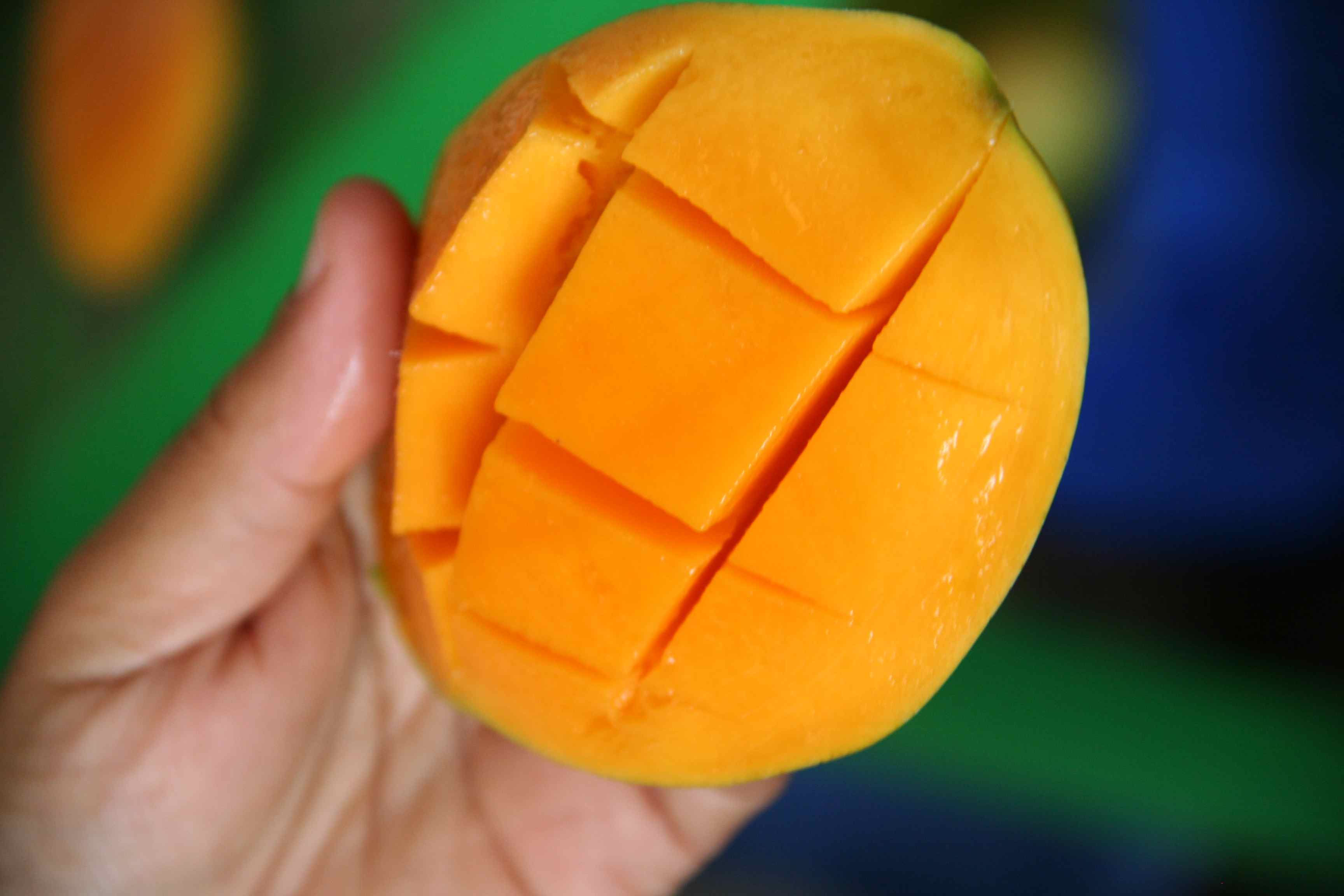
- Haiti is one of the largest mango producers in the world, with about 10 million mango trees
- Vast potential for additional growth in production of fresh and dried mangos, particularly given the steadily increasing global demand
- Currently, only around 10 percent of production is the export-quality Madame Francis variety
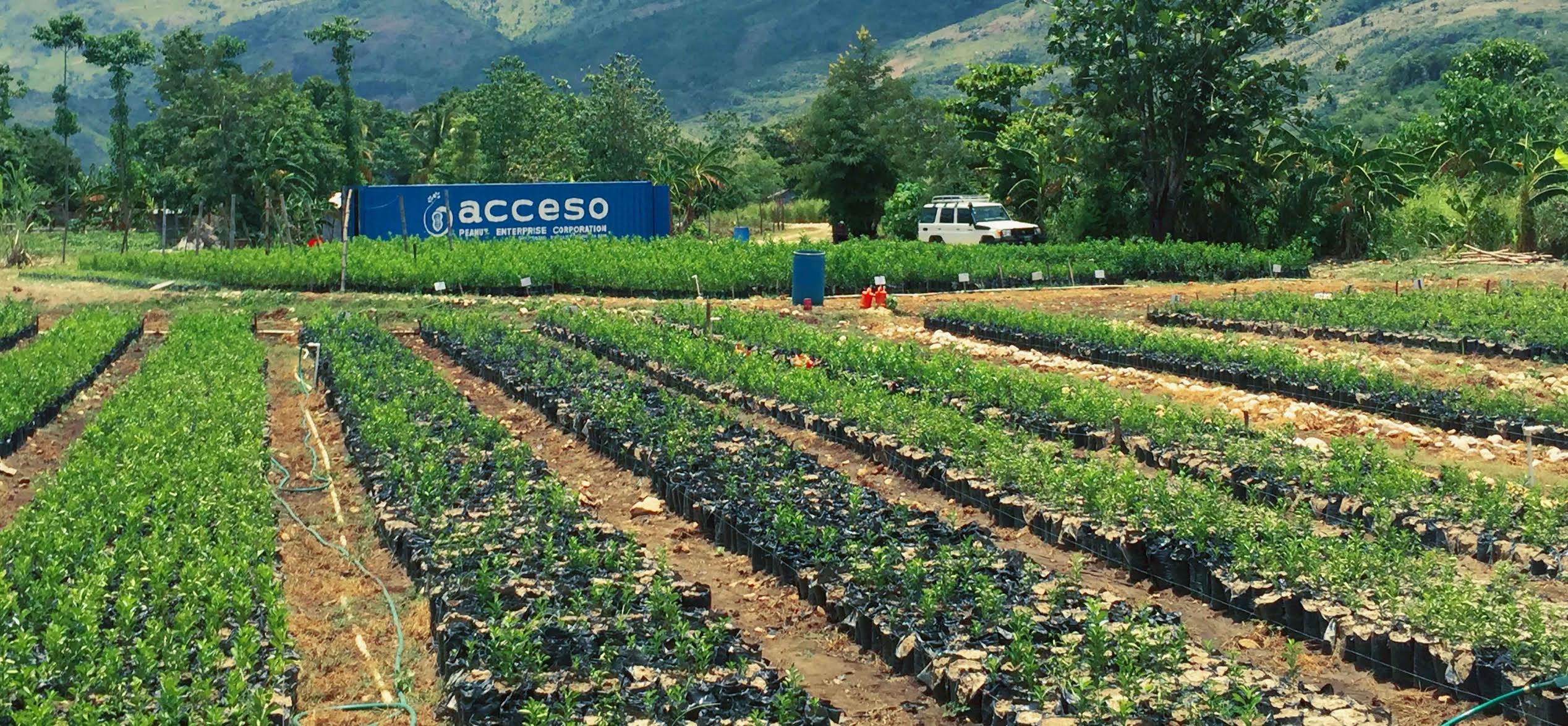
- Initiatives are underway to upgrade existing Haitian mango trees through grafting as well as the introduction of new varieties of commercial trees
- Improved transportation conditions also help facilitate access to markets.
-
add_circleCocoa
- Haitian criollo cocoa beans are cultivated without chemical additives (there are no in-country cocoa pests or diseases)
- Highly prized for their exceptional flavor by pastry companies and high-end chocolatiers of luxury chocolate brands
- Niche markets that Haiti’s organic cocoa can serve will continue to expand
- FECCANO (a federation of six cooperatives in the North) and one cooperative in Grand-Anse are producing and exporting fermented cocoa beans to specialty buyers,
- Working with farmers to get processed and fermented cocoa to market constitutes an area of significant opportunity.
-
add_circleBanana
- The Léogane region, just south of Port-au-Prince, and the Arcadins Coast in the west are traditional areas of banana production with well-watered fertile soils and a good climate
- The government is working to increase production for domestic consumption and for export
-
add_circleEssential oils
- Essential oils are one of Haiti’s most important agricultural exports, worth an estimated US$ 47.9 million in 2017 (source: opendata)
- Haiti has favorable climatic and land conditions in the north department for the production of bitter oranges used in Grand Marnier and Cointreau production
-
add_circleSisal
- Projects are now underway to reignite the country’s production of sisal and sisal products
- SISALCO, a Haitian company, is one example, working to increase output from the Côtes-de-Fer, in the South, where most sisal is currently produced, and to expand production in new regions in North and Northeast Haiti
- With its factory in the Caracol Industrial Park, SISALCO uses sisal fibers to produce coffee sacks for REBO as well as other sisal products for a strong and growing export market
-
add_circleOther opportunitiesIn addition to bananas, cocoa, coffee, mangos, and sisal, priorities for private investment include:
- Sugar cane and derivative products
- Roots and tubers
- Cereals (maize, sorghum, rice)
- Garden produce such as pigeon peas, tomatoes, cucumbers, peppers, eggplants, and okra
- Fruits such as avocados, citrus fruits, cashews, tamarinds, and coconuts
- Beekeeping
- Chickens (with an internal demand of US$ 200 million per year)
- Eggs (with an internal demand of 400 million eggs per year)
- Aquaculture.