

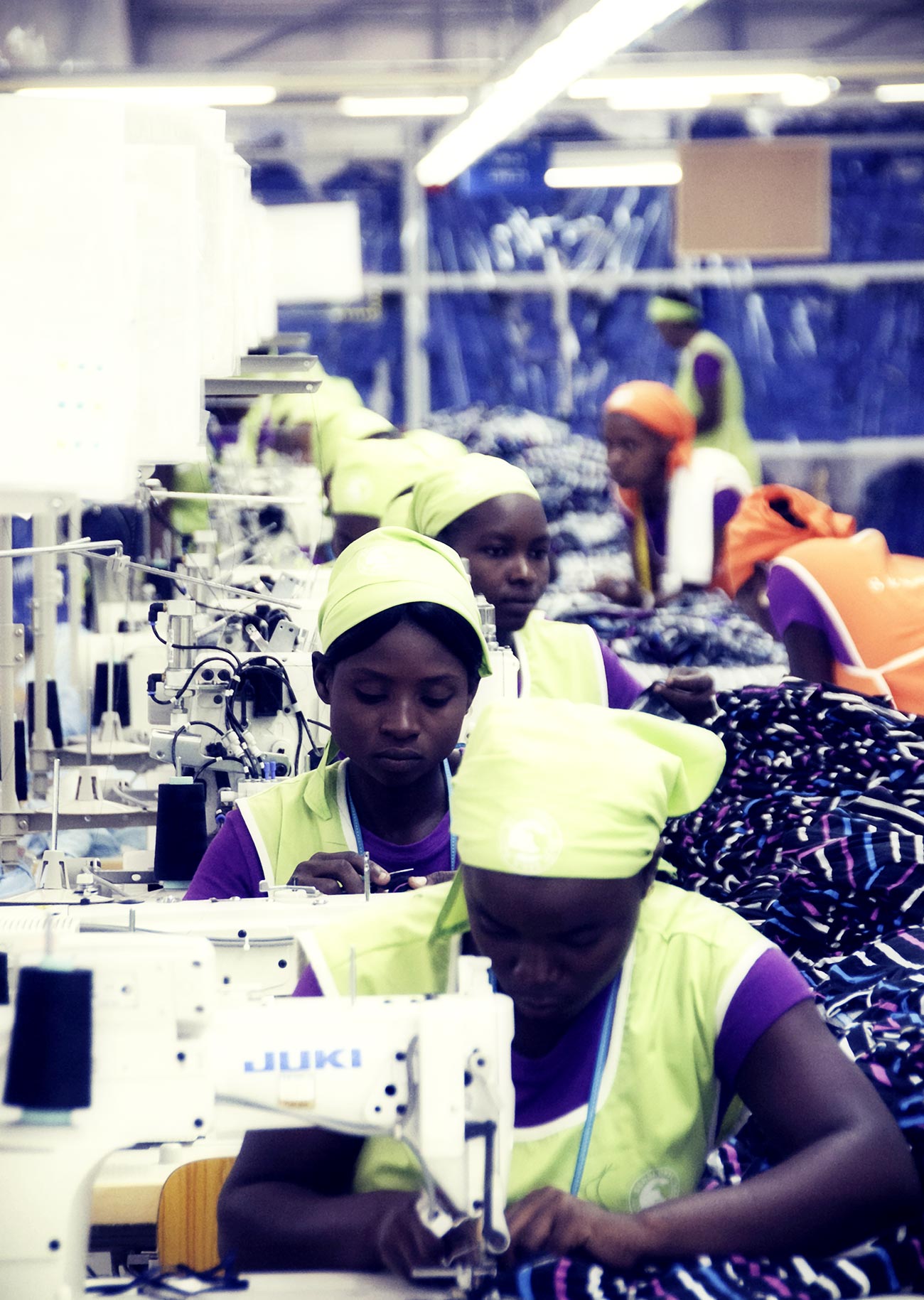
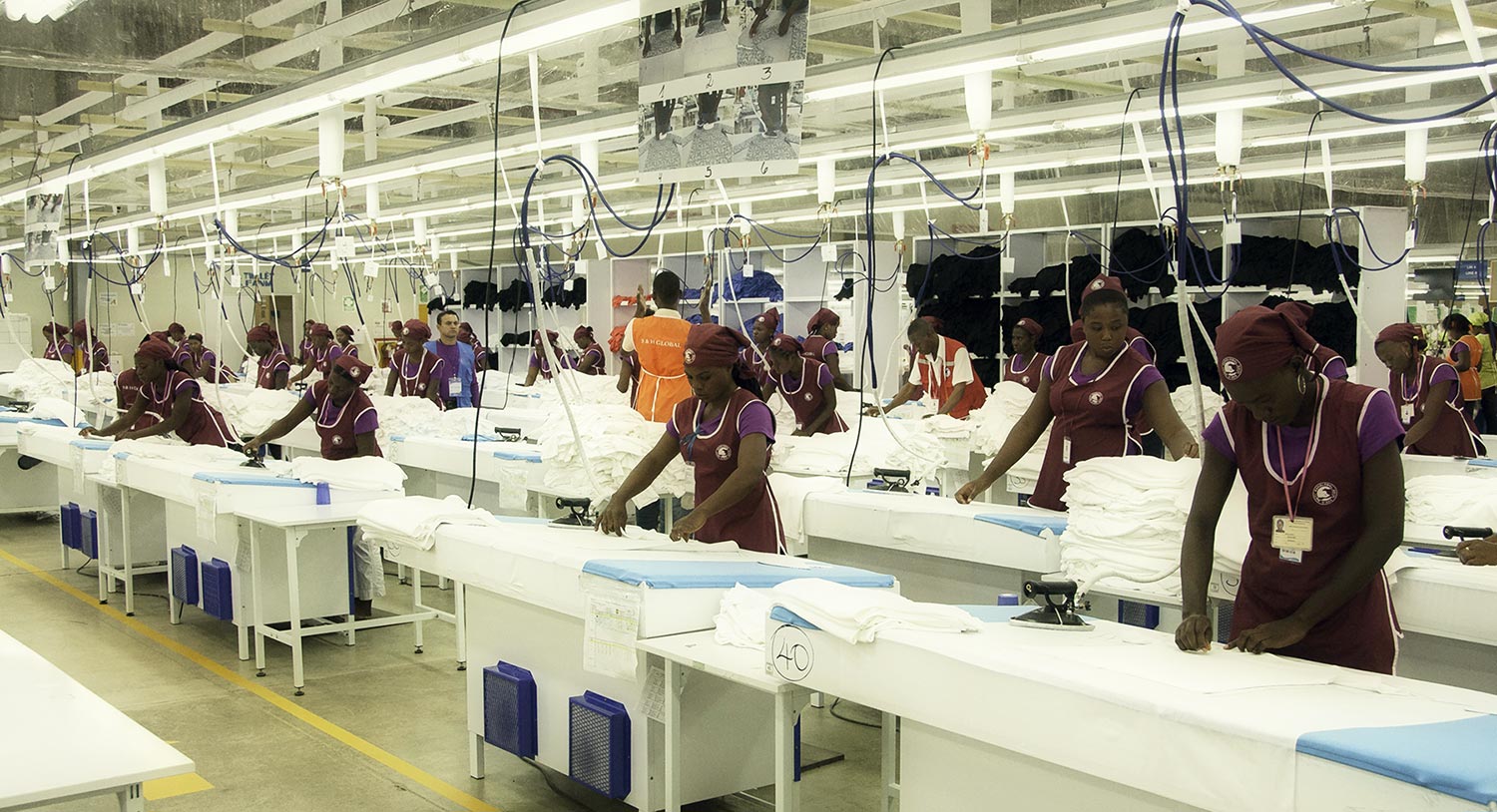
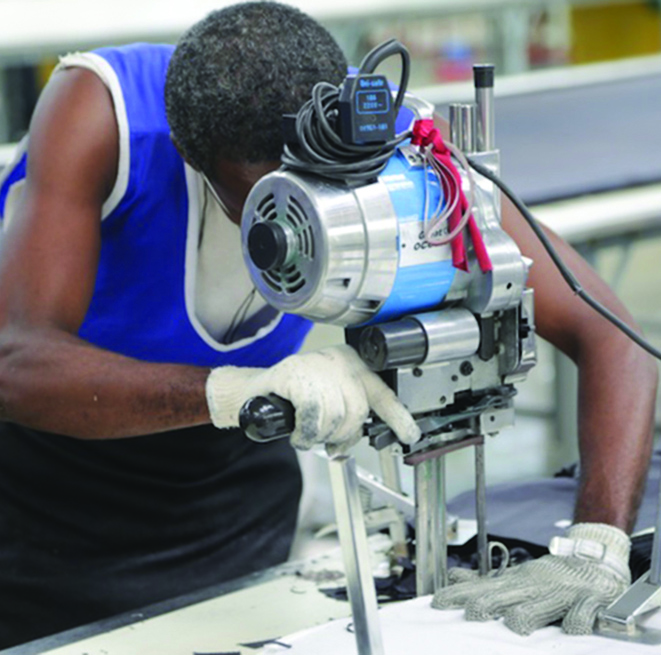
Apparel sector in Haiti
- 31 companies
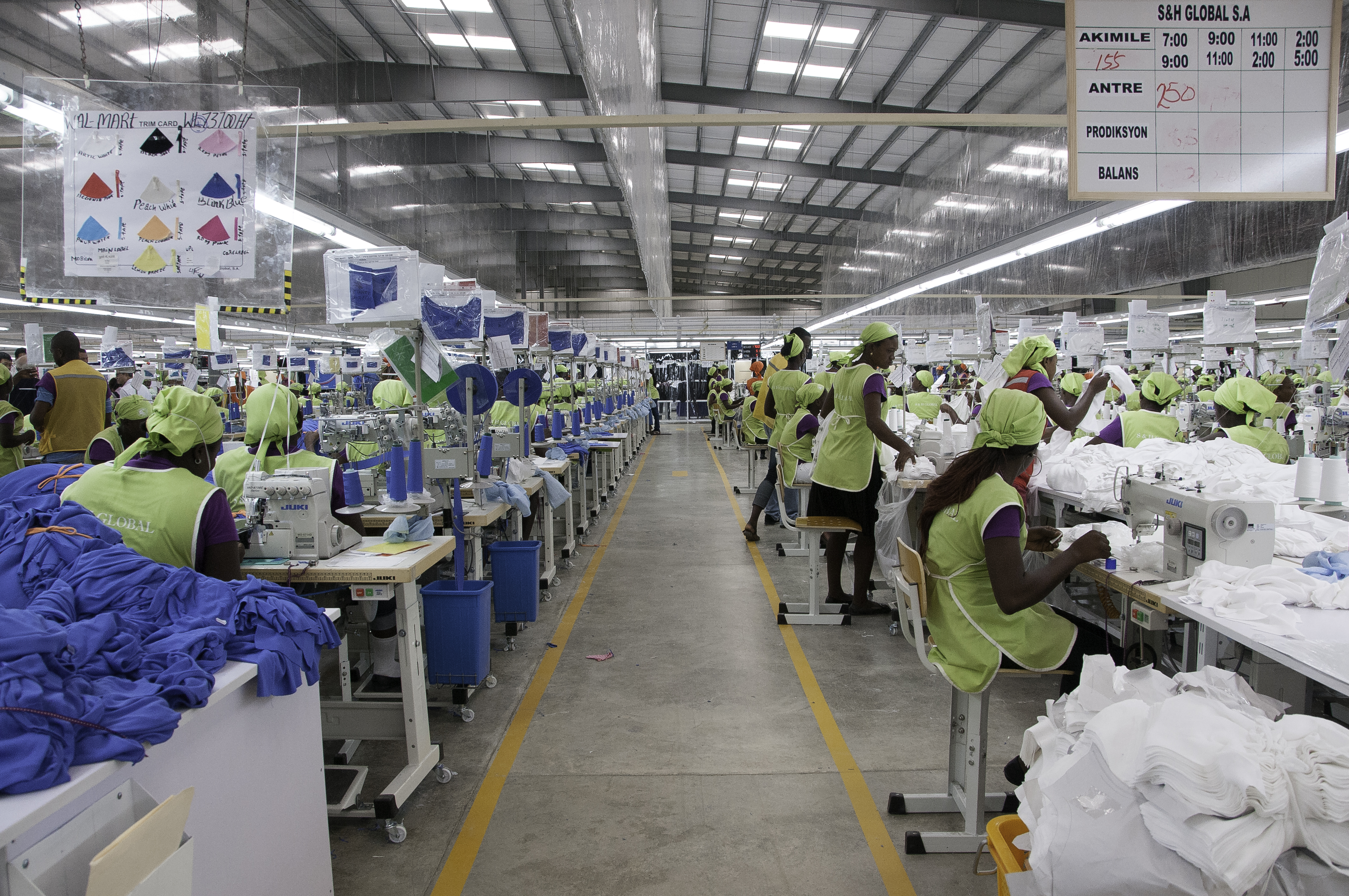
- 52,187 employees (September 2018)
- US$ 990.6 million exports (2018)
- Recent investors: MAS Holdings, Hansae Haiti, Everest Apparel
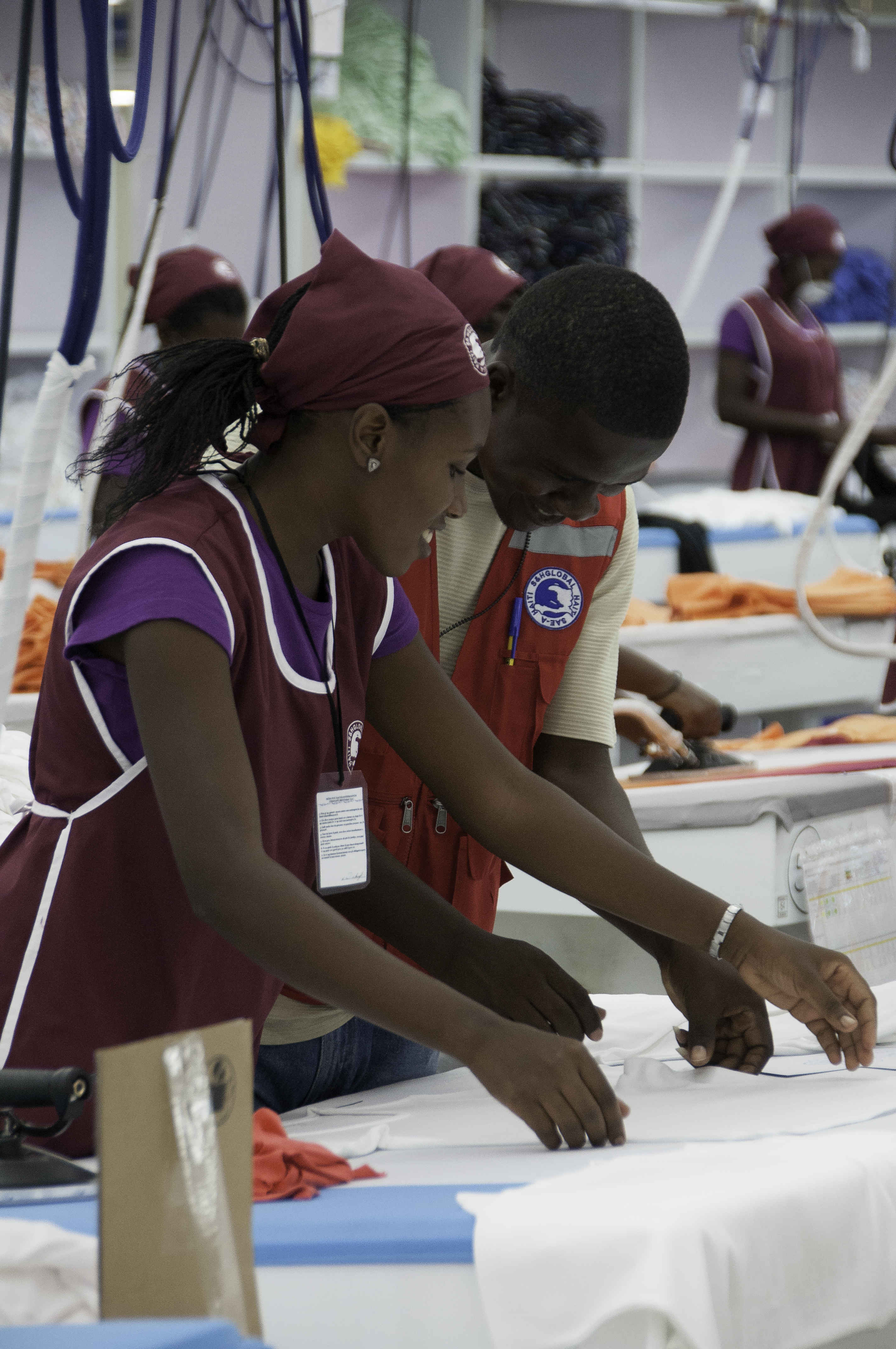
Unique Legal and Locational Advantages for Investors
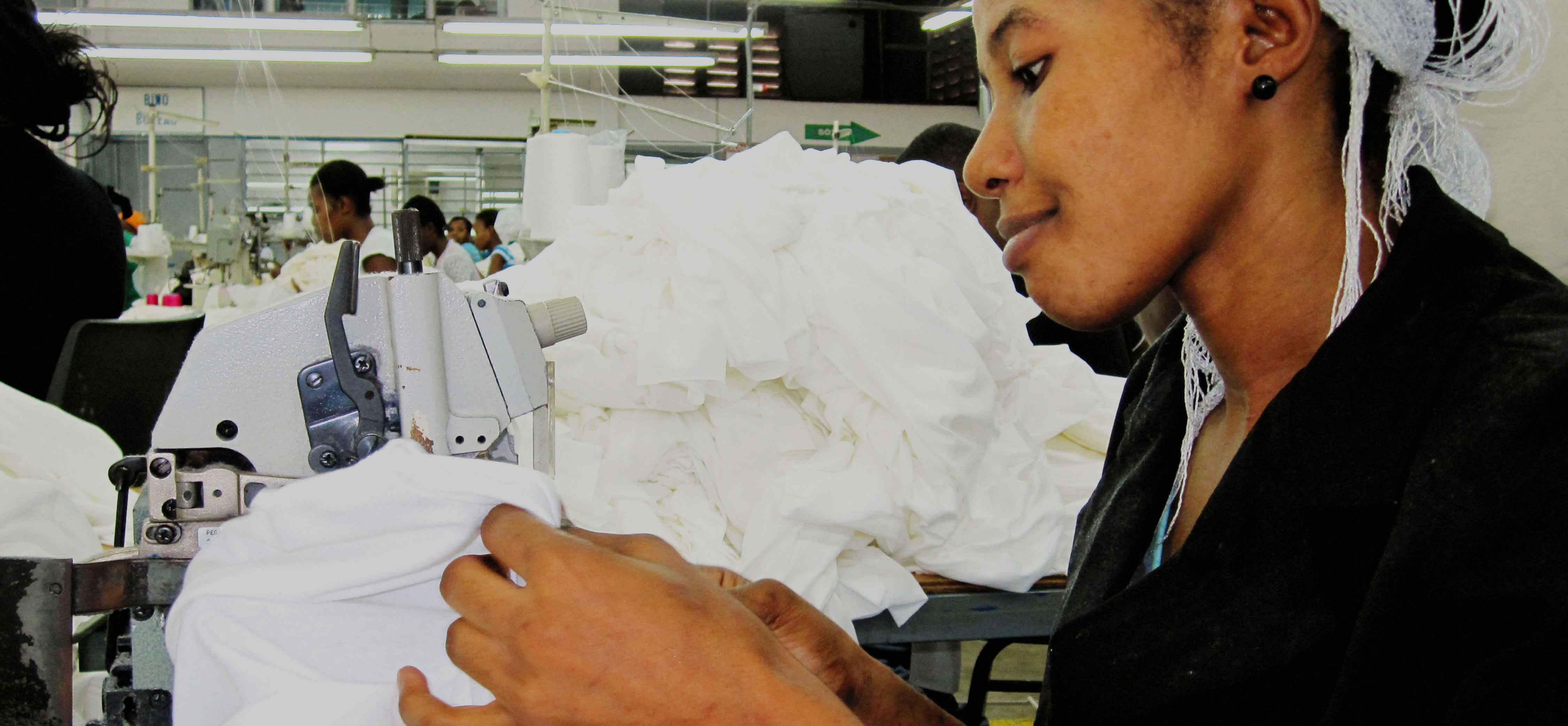
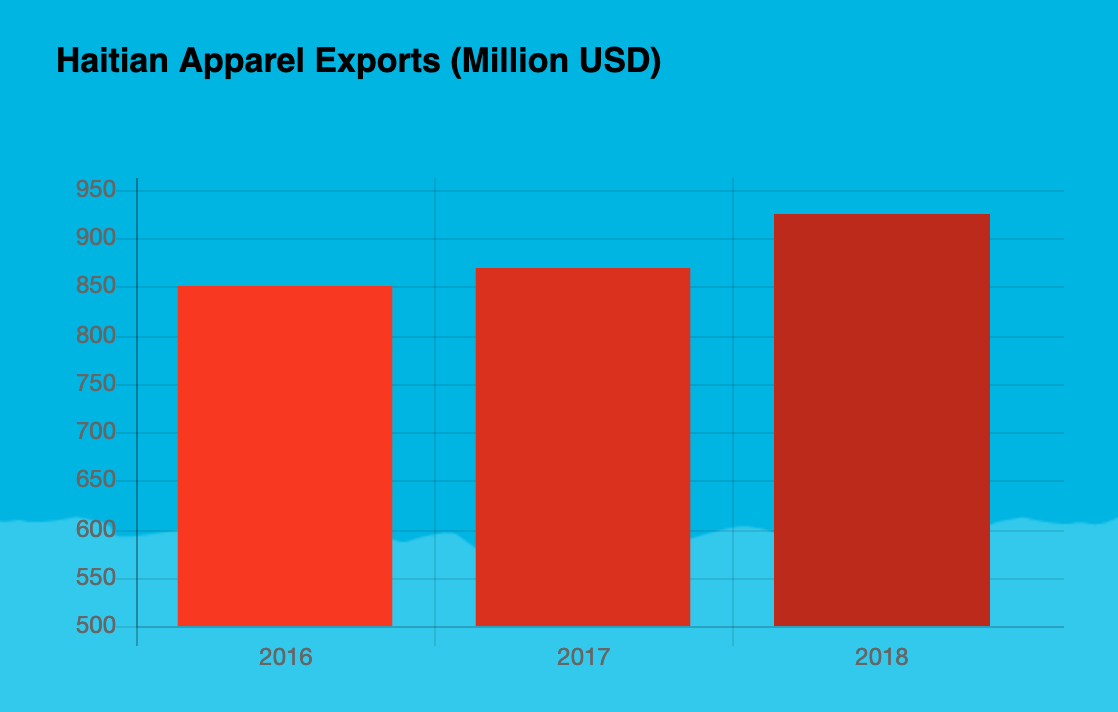
Bolstered by the Caribbean Basin Trade Partnership Act (CBTPA) and the HOPE, HOPE II and HELP Acts (see the U.S. Trade Preferences section for more information), which provide duty-free entry for certain Haitian products to U.S. markets, apparel production in Haiti is growing. In 2016, it employed 41,000 workers and accounted for nearly one-tenth of GDP; 2017 saw further expansion, with employment exceeding 47,000 workers. By September 2018, employment had increased to over 52,000 workers with exports hitting US $990 million. (Employment source: ADIH)
Importantly, there is considerable room for additional growth. In particular, untapped opportunities for preferential access to the U.S. market exist within the framework of the HOPE, HOPE II and HELP Acts. The current volume of exports represents only a fraction of the available quota. Moreover, preferences for exports of certain apparel and non-apparel goods to the United States are quota free, a particularly valuable advantage for investors who locate their manufacturing facilities in Haiti. (See Table).
Haitian Apparel Exports (Million USD)
Another key advantage is Haiti’s physical proximity to the United States, which results in short shipping times. The transit time from Port-au-Prince and Cap-Haïtien to Port Everglades in Florida is three days. Upon arrival, customs procedures in Miami are expedited by Haiti’s participation in the electronic visa information system (ELVIS) of the U.S. Customs and Border Protection, permitting quick dispatch to retail distribution centers within the United States.
| Preference regime |
Export covered by the preference |
2015/2016 (source otexa.trade.gov) |
| CBTPA | Knit apparel articles. | 4.57% |
| CBTPA | Non-underwear T-shirts. | 22.65% |
| HOPE / HOPE II / HELP | Value-Added Tariff Rate Quota: Exported value sourced from Haiti and/or qualifying countries must be at least 50-60%. | 7.7% |
| HOPE / HOPE II / HELP | Woven Apparel TPL: May use fabric from any source; apparel must be wholly assembled in Haiti. | 45.26% |
| HOPE / HOPE II / HELP | Knit Apparel TPL: May use fabric from any source; apparel must be wholly assembled or knit-toshape in Haiti. | 30.94% |
| HOPE / HOPE II / HELP | Specific Apparel (brassieres, certain headwear, certain sleepwear, and certain knit apparel). | No limit |
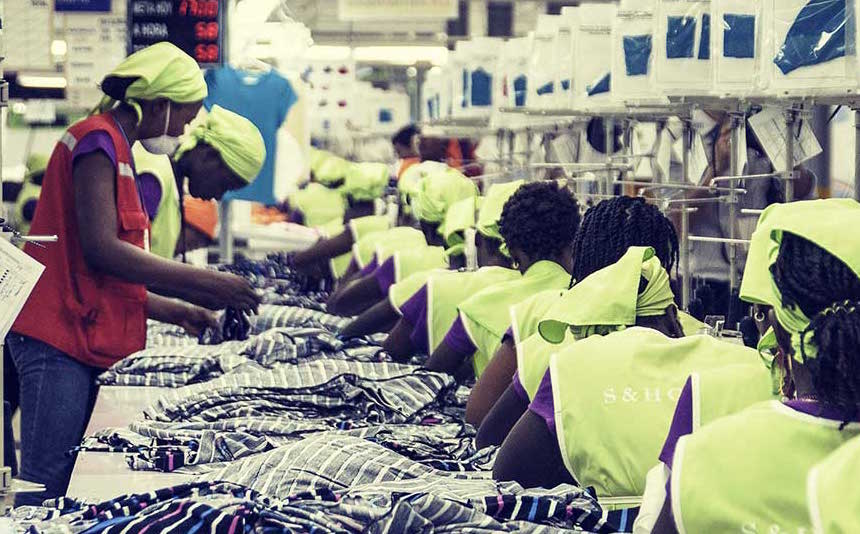 Who is investing in the garment sector in Haiti?
Since 2001, Willbes & Co., Ltd, a subsidiary of a leadingSouth Korean producer of ready-made apparel, has beenoperating in Haiti’s SONAPI Metropolitan Industrial Park,producing and exporting knit products to major U.S retailerssuch as Gap Inc., Walmart, Sears Holdings, Children’s Placeand JC Penney. The company’s current expansion is 2,935 employees, an expected increase of an additional 1,200 employees by 2019.
Mr. Oscar Yim, Vice President of Willbes says: “By virtue ofduty-free treatment under the HOPE II and HELP Acts,we can offer attractive prices for synthetic and stripeapparels. We feel confident of our future throughHaitian government support and increasing demandfrom U.S. retailers”.
Sae-A: Invested in Caracol in Northern Haiti. Opened thepark’s first sewing facility 1,192 employees, an expected of an additional 1000 employees by 2019, Digneron Manufacture S.A. 915 employees with an expected growth of 400 additional employees by 2019, SAE-A employs 11,050 workers
Modern infrastructure
- Haiti offers Industrial Parks and Free Zones, with up-to-date facilities and easy access to ports for shipping.
- Facilities can include custom-built factory space, dedicated power plants and industrial water treatment.
- Industrial capacity in Port au Prince and Cap Haitien is currently being expanded to accommodate growing demand.
Competitive and committed labor force
- Haiti has an experienced, dedicated and abundant work force.
- Competitive salaries (minimum daily wage is $5 USD).
- Businesses report very low turnover rates and absenteeism.
- Workers are ready and keen to learn new skills.
Investor friendly climate
- High quality governmental support through the CFI (see below).
- Among the world’s most favorable incentives, with up to 15 years of tax exemption.
- Access to credit from local banks, investment funds and international institutions.
help How can CFI assist you?
- The garment sector in Haiti has great potential for growth and great potential for investment. The CFI actively supports investors during all stages of their investment decision-making process. Its dedicated, skilled and professional staff is available to deliver specialized services including:
- Facilitating visits to Haiti by potential investors and arranging suitable meetings, including with government agencies and organizations in Haiti that could support the investment process
- Facilitating identification of suitable sites for a proposed investment project
- Helping to ensure smooth entry and establishment of an investment project, through the provision of information and assistance with acquiring permits and licenses, as well as with business registration processes;
- Providing information on relevant Haiti-based consulting services and suppliers
- Offering aftercare services to established investors to support a smooth business operating environment as well reinvestment and development plans in Haiti; and
- Supporting investors seeking to benefit from Haiti’s fiscal incentives regime.